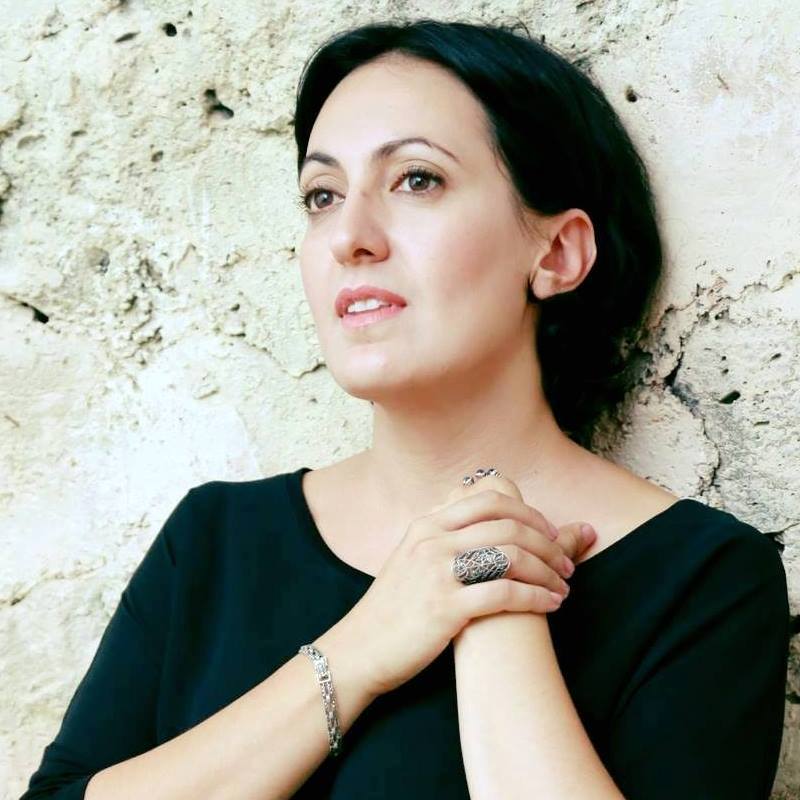
As the list of participants for the Sevan Music Festival seems to be finalizing, we are excited to share the interviews with the artists. The first participant to graciously agree to an interview is the renowned singer, Hasmik Baghdasaryan-Dolukhanyan.
What was the main motivation that led you towards spiritual music?
The motivation was life itself. Initially, there wasn’t a specific choice, but since I am naturally inclined towards chamber music and possess the vocal capabilities for it, this allowed me to explore the nuances of my voice more freely. In the realm of spiritual music, I felt truly at home. Additionally, my mother’s side of the family had clergymen, while my father’s side had musicians, so I found myself at the crossroads of these two worlds.
Do you think a person needs a certain level of maturity to understand and then convey spiritual music?
At first, it might just be a beautiful performance, but over time, it becomes so ingrained in you that it takes on a unique form of delivery. It’s as if you’re praying with your eyes closed, and the prayer reaches its intended audience. When you present it in the right way, people also connect with the prayer.
You’ve performed in various countries. Could you recall any interesting or memorable experience from those performances?
Many years ago, during a concert in Milan, there was an interesting man sitting in the front row. He was a clergyman. After the concert, I heard his voice calling out, “Ura, that girl, Ura!” He came up to me and started touching my face. At first, I was frightened, but then I realized he was blind. He touched my face and said, “Now I understand how an angel feels.” That moment had a profound impact on me. I was deeply moved by it.
You once mentioned that someone gave you a harsh compliment, saying that if you had been born during the Soviet era, you would have been a very famous singer. Why did you consider this a harsh compliment, and do you see any truth in it?
Understanding that the value system has been terribly disrupted in all fields, I always say that I have broad recognition within very narrow circles. I don’t believe spiritual music or listening to Komitas could be mainstream today. Back then, there was a need for it, and it was heavily supported. Today, it is mostly propagated by individuals rather than institutions.
Could you tell us more about the “Lus” quintet? How did it become an inseparable part of your life?
“Lus” is truly one of the most important chapters of my life. Years ago, we were singing as a group at Geghard Monastery, but the group disbanded. However, the five of us decided not to part ways and formed our quintet. We have been together for 14 years now. Our journey has been full of excitement—numerous tours, concerts, and recordings.
You’ve collaborated with various composers, including the Armenian-American composer John Hodian. How did that collaboration start, and what path did it take?
John is an Armenian-American whose grandparents survived the Genocide. One day, he had the opportunity to visit Armenia, and he came to Geghard, where we were performing at the time. He approached me, introduced himself, and suggested we collaborate. For several years, he searched for a piece that matched my voice, and eventually, he came back with a composition based on the medieval Armenian poet Mkrtich Naghash’s works. Our collaboration expanded, and we formed the “Naghash” ensemble. We received invitations from different countries, but John didn’t accept all of them. We have participated in unique festivals and performances.
What drew you to the Sevan Music Festival?
I believe that such festivals always gather a core group of people who reveal the future of music. I want to be among them to understand the musical ferment occurring in today’s youth who are creating and loving music. As an idea, I truly support it. It is through such initiatives that the foundations for the future are laid.
Prepared by: Hermine Gharibyan
Սևան երաժշտական փառատոնի մասնակիցների ցանկը կարծես թե ստանում է իր վերջնական տեսքը: Որպեսզի իմանանք` ովքեր են մասնակիցները, այսուհետ ձեզ ենք ի ցույց դնելու հարցազրույցները նրանց հետ: Առաջին մասնակիցը, որ սիրով համաձայնեց տալ հարցազրույց, երգչուհի Հասմիկ Բաղդասարյան-Դոլուխանյանն է:
-Ո՞րն էր այն գլխավոր մոտիվացիան, որ ձեզ մղեց առաջին հերթին դեպի հոգևոր երաժշտություն:
-Մոտիվացիան հենց ինքը կյանքն էր: Հատուկ ընտրություն ի սկզբանե չկար, բայց քանի որ բնույթով և ձայնային հնարավորություններով կամերային երգչուհի եմ, դա ինձ շատ ավելի լայն հնարավորություն է տալիս օգտագործել ձայնային տվյալներիս բոլոր նյուանսները: Հոգևոր երաժշտության տիրույթում ուղղակի ես ինձ շատ լավ զգացի: Բացի այդ` մայրիկիս կողմը եղել են հոգևորականներ, հայրիկիս կողմը՝ երաժիշտներ: Փաստորեն խաչմերուկում հայտնվեցի ես:
-Ըստ Ձեզ՝ պե՞տք է մարդուն հասունության որոշակի աստիճան, որպեսզի նա նախ կարողանա ընկալել հոգևոր երաժշտությունը, հետո կարողանա նաև մատուցել:
-Սկզբում հնարավոր է, որ լինի ուղղակի շատ գեղեցիկ կատարում, բայց տարիների ընթացքում դա այնքան է քոնը դառնում, որ ձեռք է բերում յուրովի մատուցման տարբերակ, և դու, ուղղակի աչքերդ փակ, աղոթք ես անում, և այն հասնում է հասցեատիրոջը: Երբ որ դու ճիշտ ձևով ես մատուցում, այդ աղոթքին միանում են նաև մարդիկ:
—Հյուրախաղերով տարբեր երկրներում եք լինում: Կհիշե՞ք որևէ հետաքրքիր, տպավորիչ դեպք այդ օրերից:
-Շատ տարիներ առաջ Միլանում համերգի ժամանակ առաջին շարքում մի շատ հետաքրքիր մարդ էր նստած. հոգևորական էր: Համերգի ավարտից հետո ես իր ձայնն եմ լսում. <<Ուրա էտ աղջիկը, ուրա>>: Մոտեցավ ինձ, սկսեց դեմքս շոշափել: Առաջին պահին սարսափեցի հետո հասկացա, որ կույր է, շոշափեց, ասաց. <<Այ ես հիմա հասկացա՝ հրեշտակն ինչպես է լինում>>: Այդ պահը ինձ վրա շատ մեծ ազդեցություն թողեց, իսկապես շատ տպավորված էի:
-Մի անգամ ասել եք,թե Ձեզ շատ դաժան կոմպլիմենտ են արել՝ ասելով՝ եթե դուք ծնված լինեիք Սովետական միության տարներին,կլինեիք շատ հայտնի երգչուհի: Ինչո՞ւ եք սա դաժան կոմպլիմենտ համարում և ճշմարտության հատիկ չե՞ք տեսնում սրա մեջ:
—Հասկանալով,որ արժեքային համակարգը սարսափելի խախտված է բոլոր ոլորտներում՝ միշտ ասում եմ՝ ես շատ լայն ճանաչում ունեմ շատ նեղ շրջանակներում: Չեմ կարծում,որ այսօր մասսայական կարող է լինել հոգևոր երաժշտությունը կամ Կոմիտաս լսելը, իսկ այն տարիներին կար դրա կարիքը և շատ էր հովանավորվում,այսօր արդեն միայն անհատների ուսերին է նմանատիպ արժեքների պրոպագանդան:
-Կխնդրեի անդրադառնայիք «Լույս» կվինտետին: Ինչպե՞ս եղավ, որ այն դարձավ Ձեր կյաքի անբաժան ուղեկիցը:
«Լույս»-ը իսկապես իմ կյանքի կարևորագուն էջերից է: Տարիներ առաջ մենք խմբով երգում էինք Գեղարդավանքում,հետո այդ խումբը լուծարվեց, իսկ մենք հինգ աղջիկներով որոշեցինք իրարից չբաժանվել և ձևավորեցինք մեր հնգյակը: Արդեն 14 տարի մենք միասին ենք երգում: Մեր անցած ճանապարհն էլ շատ բուռն, շատ հետաքրքիր է եղել՝ բազմաթիվ հյուրախաղեր, համերգներ, ձայնագրություններ:
_-Դուք համագործակցություն ունեցել եք տարբեր կոմպոզիտորների հետ: Կար նրանց մեջ ամերիկահայ մի կոմպոզիտոր, ում անունը Ջոն Հոդիյան էր: Ինչպե՞ս սկսվեց և ի՞նչ ընթացք ունեցավ համագործակցությունը:
—Ջոնը Ամերիկայում ծնված հայ է, ում տատիկն ու պապիկը Ցեղասպանությունից փրկվածներից էին: Մի օր առիթ է ունենում վերջապես Հայաստան գալու,գալիս է Գեղարդ, որտեղ մենք այդ ժամանակ երգելիս ենք լինում: Մոտենում է, ծանոթանում ենք ու առաջարկում է համագործակցել: Մի քանի տարի փնտրում է իմ ձային համապատասխան ստեղծագործություն, հետո վերադառնում է և միջնադարյան վանականի՝ Մկրտիչ Նաղաշի բանաստեղծությունների հիման վրա էլ առաջարկում է ձայնագրվել: Համագործակցությունը ընդլայնեց իր սահմանները, ձևավորվեց <<Նաղաշ>> համույթը: Հրավերներ ունենում ենք տարբեր երկրներց, սակայն Ջոնը ոչ բոլոր հրավերներն էր ընդունում: Մասնակցում ենք յուրահատուկ փառատոնների:
-Ինչո՞վ գրավեց ձեզ Սևան երաժշտական փառատոնը:
Կարծում եմ՝ նմանապիպ փառատոններում միշտ հավաքվում է այնպիսի կորիզ, որը բացահայտում է լինում, որոնց վրա ապագա հիմքն է դրվում: Ցանկությոն ունեմ լինել նրանց մեջ հասկանալու համար, թե երաժշտական ինչպիսի խմորումներ են ընթանում այսօրվա երաժտություն ստեղծող և սիրող երիտասարդների շրջանում: Որպես գաղափար շատ եմ ողջունում: Հենց այս տարբերակներով են հիմքեր դրվում:
Պատրաստեց Հերմինե Ղարիբյանը
